
What’s New?
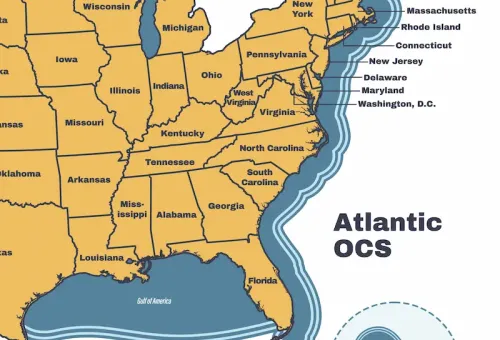
On June 22, 2026, BOEM announced a Request for Information related to potential mineral leasing offshore the Commonwealth of Virginia.
On July 16, 2026, BOEM announced the availability of the Proposed Leasing Notice for a proposed American Samoa OCS Mineral Lease Sale later this year.
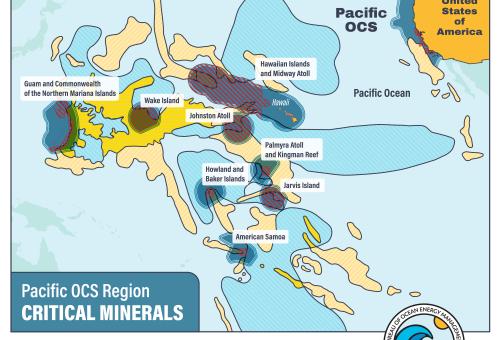
Offshore Critical Minerals
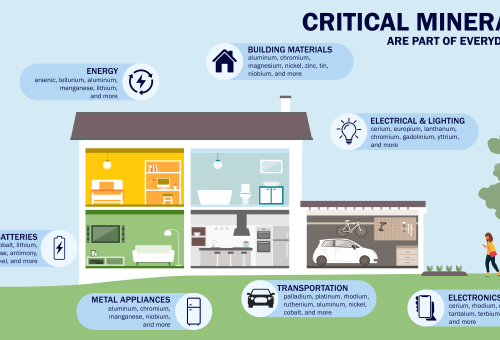
Offshore critical minerals are hard minerals that are in limited supply and that are essential to U.S. economic and national security. Critical minerals include nickel, cobalt, lithium, manganese, and rare earth elements. Uses for critical minerals include consumer electronics, energy production, healthcare, transportation, and defense. The current list of 60 critical minerals is maintained by the U.S. Geological Survey (USGS).
BOEM oversees prospecting and leasing activities on the federal seabed where many of these minerals can be found. BOEM is developing a National Offshore Critical Minerals Inventory (NOCMI), utilizing information collected from collaborative work with our partners at USGS and the National Oceanic and Atmospheric Administration (NOAA), to locate and assess deposits of these minerals and their environs.
Domestic production of critical minerals will help assure a resilient supply chain and represents a potential revenue source. Offshore critical minerals have the potential to provide a strategic reserve of these essential components of the Nation's advanced economy. To quantify this reserve, BOEM actively documents the location and abundance of offshore critical minerals.
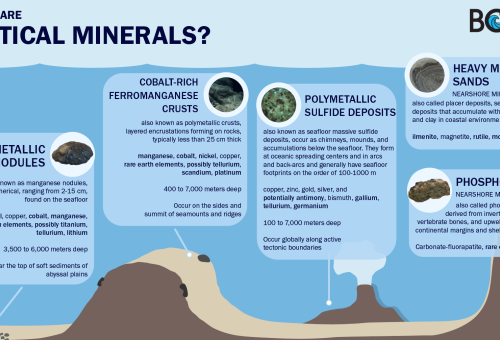
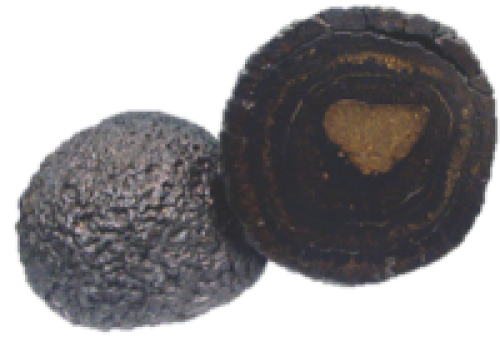
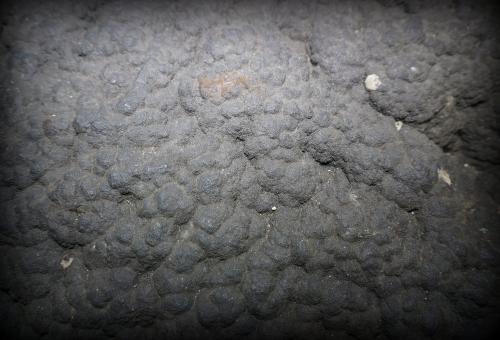
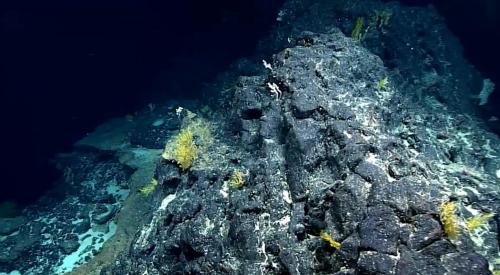
Five different types of marine mineral deposits contain most offshore critical minerals. BOEM has the highest interest in polymetallic nodules and heavy mineral sands due to their high economic potential relative to the risk of environmental impacts.